

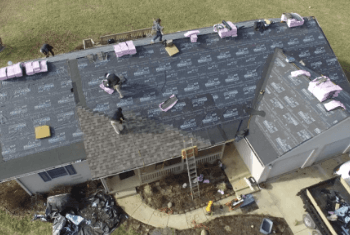

A commercial roof rarely gets much attention when everything is working. Then a leak appears over an office, water stains show up on a ceiling tile, or a storm sends debris across the property. Suddenly, the roof becomes an operational problem that cannot be ignored.
For business owners and commercial property managers researching Commercial Roofing Lafayette Indiana, the goal should be more than finding someone who can patch a leak. A commercial roofing system protects inventory, equipment, employees, tenants, customers, and the building itself. Making informed decisions about inspections, commercial roof repair, maintenance, and eventual replacement can prevent smaller problems from becoming disruptive projects.
Wilkinson Roofing helps Lafayette-area property owners evaluate roofing problems and determine practical next steps based on the condition of the roof. Whether you are dealing with aging materials, active leaks, storm damage, drainage concerns, or planning for a commercial roof replacement, understanding your options puts you in a stronger position.
Want an early idea of what your roofing project may involve? Get My Instant Quote.
Let’s dive in…
Key Takeaways
- Commercial Roofing Lafayette Indiana decisions should begin with the roof’s actual condition, not assumptions based solely on age.
- Routine commercial roof inspections can uncover drainage, flashing, membrane, and penetration problems before interior damage develops.
- Small roof leaks may indicate larger moisture problems beneath the visible roofing surface.
- Repair versus replacement depends on damage extent, roof age, material condition, and long-term ownership plans.
- Preventive commercial roof maintenance can help reduce avoidable deterioration and unexpected disruptions.
- Lafayette storms make post-storm roof inspections particularly valuable for commercial properties.
- Commercial roofing materials should match the building design, drainage requirements, budget, and long-term performance expectations.
- A documented roofing plan helps property owners budget instead of reacting to emergencies.
Commercial Roofing Lafayette Indiana Starts With Understanding Your Building
Commercial roofing is not a one-size-fits-all service. The roof over a retail property can have very different requirements from the roof protecting an office, warehouse, multifamily building, workshop, or other commercial facility. Before deciding whether a roof needs maintenance, repair, restoration, or replacement, the first job is understanding the existing roofing system and what is happening to it.
That evaluation matters because visible symptoms do not always reveal the entire problem. A stain on an interior ceiling might originate from a penetration several feet away. Ponding water could indicate a drainage issue rather than a failure of the entire roofing system. Likewise, an older roof is not automatically a replacement candidate if its materials and underlying components remain serviceable.
A professional commercial roof inspection should look beyond the obvious. Roof surfaces, seams, flashing, penetrations, drainage areas, edges, transitions, and signs of previous repairs can all provide information about the condition of the system. Interior evidence of moisture may also help identify areas requiring closer investigation.
For Lafayette, IN property owners, weather exposure adds another layer to the equation. Roofing systems must deal with seasonal temperature swings, rain, wind, snow, ice, and severe storms. Repeated expansion and contraction can stress seams and flashing, while debris or storm activity can create damage that is easy to miss from ground level.
That is why Wilkinson Roofing approaches commercial roofing as a condition-based decision rather than simply recommending the largest possible project. A useful roofing assessment should help an owner understand what needs attention now, what can potentially wait, and what should be monitored.
That information has real business value. Instead of treating the roof as an unpredictable expense, owners can begin developing a plan.
When you know the condition of your commercial roofing system, you can budget more intelligently, prioritize repairs, protect interior assets, and prepare for eventual replacement without being surprised by every new leak.
How to Know When Your Commercial Roof Needs Repair
Commercial roof problems have an inconvenient habit of appearing at the wrong time. A leak may become noticeable during a busy workday or after a major rain event, but the condition that allowed water inside could have been developing for months.
Knowing the warning signs can help Lafayette commercial property owners respond earlier.
- Recurring interior leaks: One isolated leak may have a localized cause. Repeated leaks, especially in multiple areas, deserve a more comprehensive commercial roof inspection.
- Water stains or damaged ceiling materials: Discoloration, sagging ceiling tiles, peeling finishes, or unexplained moisture can indicate water entering somewhere within the building envelope.
- Standing or slow-draining water: Low-slope commercial roofs depend heavily on effective drainage. Water that remains after rainfall can place additional stress on roofing materials and may point to drainage or slope concerns.
- Damaged flashing: Flashing protects vulnerable transitions around walls, edges, penetrations, and rooftop equipment. Loose, deteriorated, or damaged flashing can create pathways for moisture.
- Open seams or membrane damage: Depending on the roofing system, punctures, splits, separated seams, bubbles, or other surface changes may warrant professional evaluation.
- Storm-related damage: High winds, hail, falling limbs, and wind-driven debris can affect commercial roofing even when damage is not obvious from the parking lot.
- Repeated repairs in the same area: If the same section continually needs attention, the underlying problem may extend beyond the most visible symptom.
The important point is not to diagnose the entire roof from one warning sign. A commercial roof repair should address the source of the problem rather than simply cover the place where water becomes visible indoors.
Wilkinson Roofing can inspect commercial roofing in Lafayette, IN and help determine whether targeted repairs are appropriate. For owners, this provides a clearer basis for deciding where to spend maintenance dollars.
Timely commercial roof repair can also protect more than roofing materials. Water intrusion can affect insulation, interior finishes, equipment, inventory, electrical components, and normal business operations.
Catching problems earlier gives property owners more options. Waiting until water is actively entering the building usually does the opposite.

Commercial Roof Repair vs. Replacement: Making the Right Decision
One of the biggest questions facing a commercial property owner is whether continuing to repair an existing roof still makes financial and practical sense. There is no universal age or single leak count that answers that question. The decision requires looking at the roofing system as a whole.
Start with the extent of the problem. Localized damage on an otherwise serviceable roof may be a good candidate for repair. If deterioration is widespread, moisture has entered multiple areas, or failures continue appearing despite previous repairs, replacement becomes a more relevant conversation.
Roof age matters, but condition matters more. Two roofs installed around the same time can perform differently because of installation quality, drainage, maintenance history, weather exposure, rooftop traffic, materials, and building design. That is why relying solely on an installation date can lead to premature replacement—or repairs that simply postpone an unavoidable project.
The property’s future should also influence the decision. An owner planning to operate from a Lafayette facility for many years may evaluate lifecycle costs differently from someone preparing a building for sale or redevelopment. Budget planning, tenant requirements, planned renovations, and operational schedules can all affect project timing.
A commercial roofing contractor should also investigate whether moisture has affected components beneath the visible surface. Replacing or repairing only what can be seen may not resolve a deeper issue if wet materials remain within the roofing assembly.
Wilkinson Roofing can help Lafayette property owners assess those variables and understand the scope of the problem before choosing a direction. The objective is to match the work to the condition of the building—not automatically turn every service call into a complete roof replacement.
When replacement does become necessary, planning ahead has advantages. Owners can consider material choices, scheduling, building access, business operations, drainage improvements, and project budgeting before an emergency dictates the timeline.
That turns commercial roof replacement from a crisis into a managed capital project.
Choosing Commercial Roofing Materials for Lafayette Properties
The best commercial roofing material is not necessarily the same for every building. Roof slope, existing construction, drainage, rooftop equipment, expected service life, maintenance requirements, and budget all influence which system deserves consideration.
Several roofing categories may enter the conversation depending on the property:
- Single-ply roofing systems: Membrane systems are frequently associated with low-slope commercial roofs. Specific products have different installation methods and performance characteristics, so building conditions should guide selection.
- Metal roofing: Commercial metal roofing can be an option for buildings designed for sloped or appropriate metal roof applications. Details around seams, fasteners, penetrations, flashing, and drainage are critical to performance.
- Asphalt-based roofing: Certain commercial buildings use asphalt-based roofing systems or steep-slope shingle assemblies. The suitability depends heavily on roof design and slope.
- Existing roof considerations: The material currently installed affects replacement planning. Contractors need to understand the existing assembly, deck condition, insulation, penetrations, drainage, and applicable project requirements.
- Insulation and ventilation considerations: Roofing performance is connected to the rest of the building assembly. A replacement project provides an opportunity to evaluate components that may affect energy performance or moisture management.
- Drainage: Even an appropriate roofing material can struggle if water cannot move efficiently away from the roof. Drains, scuppers, gutters, downspouts, and roof slope should be considered as part of the system.
For commercial property owners comparing options in Lafayette, IN, the conversation should focus on total suitability rather than simply the initial material price. Installation requirements, maintenance expectations, repairability, roof complexity, and long-term ownership plans all influence overall value.
Wilkinson Roofing can evaluate the existing roof and discuss roofing solutions that make sense for the property. That is especially important when replacing an aging system, because a commercial roof replacement is an opportunity to address persistent weaknesses rather than simply reproduce them.
A thoughtful material decision starts with the building. What does the structure require? Where have previous problems occurred? How does water move across the roof? What penetrations and rooftop equipment need accommodation?
Answer those questions first, and the material comparison becomes far more useful.
Why Preventive Commercial Roof Maintenance Matters
A commercial roof can be easy to ignore because much of it is out of sight. Unfortunately, that means minor conditions may remain unnoticed until water reaches an occupied space. Preventive commercial roof maintenance gives building owners an opportunity to identify those conditions earlier and document how the roof changes over time.
Maintenance does not mean assuming every imperfection requires immediate replacement. Instead, it creates a repeatable process for observing the roof, addressing appropriate repairs, and keeping drainage areas and vulnerable details on the radar.
A practical maintenance approach can include:
- Schedule periodic inspections: Routine professional inspections create a baseline for roof condition and can identify changes before they become obvious from inside the building.
- Inspect after significant storms: Lafayette weather can bring wind, heavy rain, hail, snow, and debris. A post-storm assessment can identify damage that may otherwise remain hidden.
- Monitor drainage: Blocked or poorly functioning drainage can allow water to remain where it should not. Gutters, drains, scuppers, and downspouts deserve regular attention.
- Track previous repairs: Keeping records of leak locations and repair work can reveal patterns. Several repairs concentrated in one area may point toward a broader condition.
- Control rooftop access: HVAC technicians and other trades may need roof access. Foot traffic, dropped tools, or work around penetrations can potentially affect roofing materials.
- Watch interior spaces: Building occupants can help identify stains, odors, dripping, or changes in ceiling materials. Interior observations can provide valuable clues about roof performance.
- Budget for future replacement: Maintenance records help owners understand whether the roof is remaining stable or approaching the point where replacement planning makes sense.
Wilkinson Roofing can help commercial property owners in Lafayette build a clearer picture of roof condition through inspection, maintenance, and repair services.
Preventive attention also helps with operational planning. Discovering a developing issue during a scheduled inspection is very different from discovering it because water is dripping near customers, inventory, machinery, or office equipment.
Commercial roof maintenance cannot eliminate every unexpected problem. It can, however, replace some uncertainty with information—and information gives building owners more control over timing, budgeting, and repairs.
Storm Damage, Inspections, and Commercial Roofing Insurance Claims
Severe weather creates a unique challenge for commercial property owners. A roof may look normal from the ground while still having damage to membranes, flashing, metal components, edges, penetrations, or drainage systems. Conversely, not every post-storm condition means the entire roof requires replacement.
That makes a professional assessment an important first step after significant weather.
- Document what happened: Record the approximate storm date and any immediate problems noticed inside or outside the property. Photos of visible damage can also be useful documentation.
- Protect the property: Active water intrusion may require prompt action to limit additional interior damage. Safety should come first, particularly around electrical systems, wet ceilings, or unstable materials.
- Request a roof inspection: A commercial roofing inspection can identify visible storm-related concerns and help distinguish new damage from normal aging or pre-existing deterioration.
- Keep records: Inspection findings, photographs, invoices, repair records, and communication relating to the event can help create a clearer project history.
- Review your insurance policy: Commercial property insurance policies vary. Coverage, deductibles, exclusions, documentation requirements, and filing deadlines should be confirmed with the insurer.
- Coordinate appropriately: When a covered loss is involved, contractors, property owners, insurers, and claims adjusters may each play different roles. The insurance carrier determines coverage under the policy.
Wilkinson Roofing provides storm inspections and works with insurance providers and claims adjusters as part of its roofing services in the Lafayette area. For commercial property owners, having roofing conditions documented can make the technical side of the process easier to understand.
One distinction is especially important: an insurance claim and a roofing recommendation are not the same thing. The contractor evaluates roofing conditions and proposed work; the insurance company evaluates whether and how a loss is covered under the policy.
After a Lafayette storm, avoiding assumptions is usually the better approach. Do not assume a roof is fine because there is no immediate leak, but do not assume every visible mark means replacement either.
Inspect first. Document the findings. Then make decisions based on evidence.
Frequently Asked Questions
Q: How much does Commercial Roofing Lafayette Indiana cost?
A: Commercial roofing costs vary according to roof size, material, condition, accessibility, drainage, insulation, penetrations, and project scope. An inspection and property-specific estimate provide more useful information than a generic per-square-foot figure.
Q: How long does a commercial roof replacement take?
A: Timelines depend on roof size, system type, weather, building access, tear-off requirements, underlying repairs, and project complexity. A roofing contractor can establish a more realistic schedule after inspecting the property.
Q: Can a commercial roofing contractor help with an insurance claim after storm damage?
A: A contractor can inspect and document roofing conditions and provide information about necessary roofing work. Coverage decisions remain with your insurance carrier and depend on your specific policy.
Q: Should I have my commercial roof inspected after a storm in Lafayette, IN?
A: An inspection can be valuable after significant hail, wind, debris, or heavy weather, particularly when the building has an older roof or visible signs of damage.
Q: What commercial roofing material is best for my building?
A: It depends on roof slope, existing construction, drainage, budget, building use, maintenance expectations, and long-term plans. The roof should be evaluated before selecting a system.
Q: Can a leaking commercial roof be repaired instead of replaced?
A: Often, localized problems can potentially be repaired. Widespread deterioration, trapped moisture, repeated failures, or an aging roofing system may make replacement worth evaluating.
Q: How often should commercial roofs in Lafayette, IN be inspected?
A: Inspection frequency depends on roof condition, age, material, warranty requirements, previous problems, and weather exposure. Inspections after significant storms can also help identify newly developed damage.
Q: What should I look for when choosing Commercial Roofing Lafayette Indiana services?
A: Look for clear inspections, detailed explanations, appropriate roofing experience, communication, written project scopes, and recommendations tied to your building’s actual condition.
A commercial roof protects far more than the structure underneath it. It supports day-to-day operations by helping protect employees, tenants, inventory, equipment, interior finishes, and the investment represented by the property itself.
For business owners and property managers searching for Commercial Roofing Lafayette Indiana, the strongest decisions start with understanding the condition of the existing roofing system. An inspection can help determine whether you need maintenance, targeted commercial roof repair, storm-related work, or a planned commercial roof replacement.
Wilkinson Roofing provides local roofing services for Lafayette properties, helping owners move from uncertainty toward a defined roofing plan. Instead of waiting for the next leak to determine the schedule, you can evaluate the roof, understand priorities, and plan work around your property and operations.
The online roofing quote tool provides another convenient place to begin when you are considering a project. Start Your Free Roofing Estimate.
